


A Journey Through Cultures, Nature, and History
Central America, the slender land bridge connecting North and South America, is a region that defies its size with its incredible cultural and natural diversity. Nestled between the Pacific Ocean and the Caribbean Sea, this region boasts not only lush rainforests, active volcanoes, and white sandy beaches, but also an intricate blend of indigenous cultures and colonial influences. From the ancient ruins of the Maya civilisation to the modern-day vibrancy of cities like Panama City and San José, Central America offers an array of experiences for the culturally curious and nature enthusiasts alike.
A Rich Cultural Tapestry
Central America is home to a kaleidoscope of cultures, each with its own distinct history and traditions. With a population of over 50 million people, the region is a melting pot of influences that reflect centuries of both indigenous and colonial heritage. The indigenous Maya, whose civilisation flourished for thousands of years before European colonisation, left a profound impact on the cultural landscape. Their architectural marvels, like the pyramids of Tikal in Guatemala or Copán in Honduras, stand as a testament to the region’s rich history.
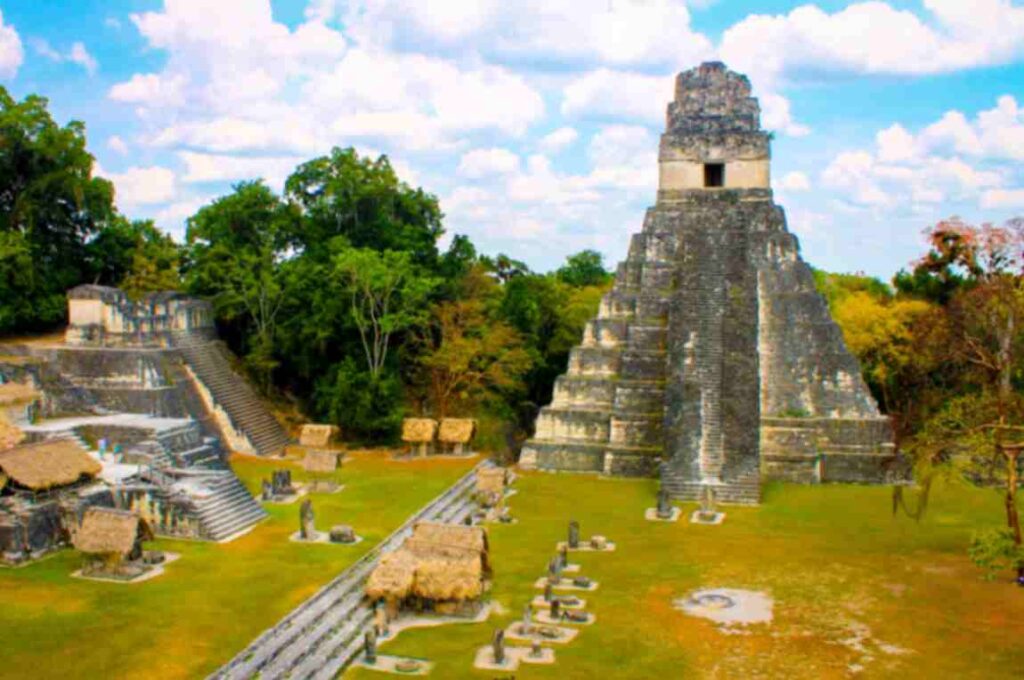
In addition to its indigenous heritage, Central America has been shaped by Spanish colonisation, which brought European architecture, language, and Catholicism to the forefront. Today, over 90% of the population speaks Spanish, and the fusion of Spanish and indigenous traditions is visible in the region’s vibrant festivals, colourful markets, and traditional arts and crafts. For example, in Guatemala, the annual Day of the Dead celebrations blend indigenous customs with Catholic traditions, creating a uniquely Central American cultural experience.
The Garífuna people, descendants of African, Carib, and Arawak populations, add another layer to the region’s cultural richness, particularly along the Caribbean coast of Belize, Honduras, and Nicaragua. Their vibrant music, dance, and language, recognised by UNESCO as a Masterpiece of the Oral and Intangible Heritage of Humanity, bring to life the diversity that makes Central America so fascinating to explore.
Biodiversity and Natural Wonders
Central America’s biodiversity is nothing short of remarkable. Despite comprising less than 1% of the Earth’s landmass, it is home to over 7% of the world’s biodiversity. The region’s rainforests, coral reefs, and volcanic landscapes provide habitats for thousands of species, including howler monkeys, jaguars, and the iconic quetzal bird. Costa Rica, in particular, stands out as a biodiversity hotspot, with 25% of its land designated as protected areas or national parks. The country has earned global recognition for its eco-tourism efforts, attracting more than 3 million visitors annually, many of whom are drawn to its natural wonders.
Guatemala’s Lake Atitlán, set against the backdrop of towering volcanoes, offers visitors the chance to explore indigenous villages and witness age-old traditions in practice. Belize’s Barrier Reef, the second largest in the world, teems with marine life and is a mecca for diving and snorkelling enthusiasts. The biodiversity in Central America is not just confined to the land—its marine ecosystems are equally impressive, with sea turtles, whale sharks, and a myriad of coral species thriving in the region’s warm waters.
Culinary Diversity
Central America’s cuisine is as diverse as its landscapes. The food here reflects a rich blend of indigenous ingredients and techniques, infused with Spanish and African influences. From pupusas in El Salvador to gallo pinto in Nicaragua and ceviche along the Caribbean coast, the region’s dishes tell the story of its cultural evolution.
One of the highlights of Central American cuisine is the use of maize (corn), which has been a staple in the diet for millennia. Tamales, a traditional dish made from masa (corn dough) and wrapped in banana leaves, can be found throughout the region, with each country offering its own variation. In Belize, the culinary scene is further enriched by Creole and Garífuna influences, resulting in unique dishes like hudut (a fish stew with mashed plantains) and cassava bread.
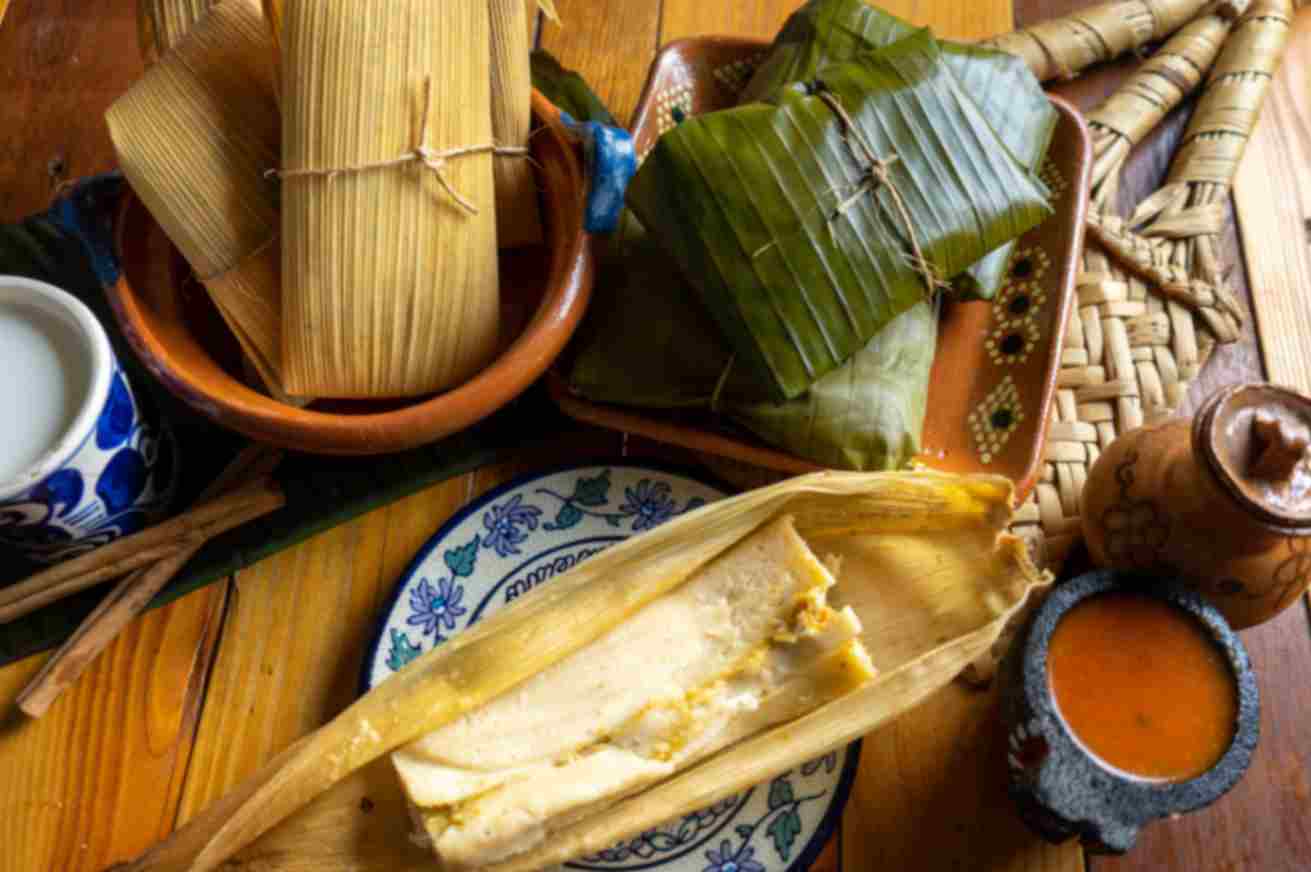
Tamales – cultural food in Central America
Coffee and chocolate also play a central role in Central American culture. Countries like Costa Rica, Guatemala, and Honduras are renowned for their high-quality coffee, with coffee farms offering tours that allow visitors to learn about the production process, from bean to cup. In Belize, the ancient Maya were among the first to cultivate cacao, and today, visitors can take part in chocolate-making workshops that showcase the traditional methods still used by local communities.
Vibrant Cities and Historic Towns
While the natural beauty of Central America often takes centre stage, its cities and towns are equally captivating. San José, Costa Rica’s bustling capital, is a hub of art and culture, with museums and galleries showcasing both contemporary and traditional works. Panama City, with its modern skyline and historic Casco Viejo district, offers a fascinating contrast between old and new.
For those looking to step back in time, the colonial town of Antigua, Guatemala is a must-visit. Its cobblestone streets, pastel-coloured buildings, and baroque architecture, set against the backdrop of three volcanoes, make it one of the most picturesque towns in Central America. Declared a UNESCO World Heritage site, Antigua offers a glimpse into the region’s colonial past, while also serving as a base for exploring nearby coffee plantations and indigenous villages.
Supporting Sustainable Travel
As tourism in Central America continues to grow, there is a growing emphasis on sustainability. According to the World Tourism Organisation, sustainable tourism accounts for 20% of international tourist arrivals globally, and Central America is no exception. Countries like Costa Rica have been pioneers in eco-tourism, with efforts to preserve their natural environments while promoting responsible travel. The region is home to countless eco-lodges, many of which are powered by renewable energy and work closely with local communities to ensure that tourism benefits everyone.
Travellers can contribute to these efforts by choosing responsible tour operators, staying in eco-friendly accommodations, and participating in community-based tourism initiatives. From homestays with indigenous families to guided tours that focus on conservation, there are countless ways to explore Central America while leaving a positive impact.
Conclusion: Why Central America Is a Must-Visit for Diverse Experiences
Central America’s diversity—whether cultural, natural, or culinary—makes it one of the most exciting regions to explore. From the ancient temples of the Maya to the pristine beaches of Belize, the region offers an array of experiences that cater to every type of traveller. At Uniqueworld Global, we curate bespoke tours that allow you to immerse yourself in the beauty and richness of Central America. Whether you’re exploring vibrant cities, hiking through rainforests, or learning traditional crafts from indigenous communities, each journey will leave you with a deeper appreciation for this remarkable region.
So, if you’re seeking a destination that offers a blend of history, culture, nature, and adventure, look no further than Central America. Let us guide you through its wonders and ensure that your experience is as diverse as the region itself.

