


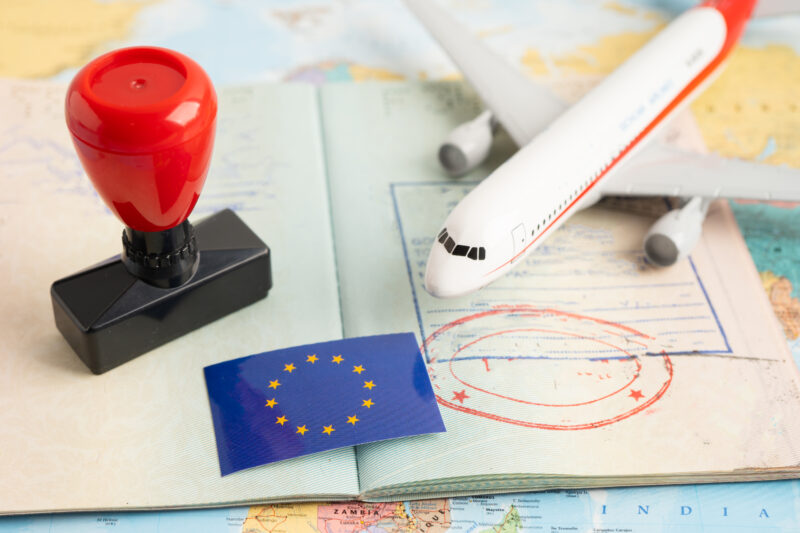
For years now, the experience of flying from the States, the UK, Canada, Australia or New Zealand to Europe has been as smooth as you’d like, show up with a valid passport and booked flight and you’re good to go. But that’s all set to change. The European Union is introducing ETIAS (the European Travel Information and Authorisation System), a mandatory pre-travel approval that’ll be required for visa-exempt visitors to the Schengen Area. When it launches, it will mark a major change to how non-visa holders get into Europe, and it’s been a long time coming.
As of now, ETIAS is still not on the agenda for 2026, the EU had initially been planning for a Q4 release, but the official ETIAS pages have since scrubbed that target date. According to reports from the EU agency building the system, 2026 is no longer in the cards, and it looks like we’re now looking at a 2027 launch instead, with the exact start date to be announced several months in advance. For anyone planning European travel in the short term, though, ETIAS isn’t a thing yet: no authorisation is needed for travel that happens before the system goes live.
That said, getting to know what ETIAS is, who it affects, and what it entails is pretty essential prep for anyone planning European trips in 2027 and onwards, and for travel businesses that need to be able to advise their clients accurately from now on.
What ETIAS Is All About and Who It Affects

ETIAS is essentially an electronic pre-travel approval, it’s not a visa. It’s a bit like the US ESTA, or the UK ETA, a digital green light you need to get before you travel, that’s linked to your passport and is valid for multiple trips over a few years.
The key thing to note is that unlike a visa, ETIAS is an online form, it should take you about ten minutes to fill in, and you should get approval in minutes to a few days. The cost is a pretty straightforward €20, and it’s valid for three years or until your passport expires, whichever comes first.
ETIAS is going to apply to a whole load of countries that currently get to visit the Schengen Area visa-free. That’s basically anyone from the US, Canada, Australia, New Zealand, the UK, Japan, South Korea and loads of others. EU member state citizens and those already needing a Schengen visa are exempt; ETIAS is specifically for people who can currently travel visa-free.
The Schengen Area currently covers 29 European countries, including some of the big hitters like France, Germany, Italy, Spain and the Netherlands. But a few non-Schengen EU countries, like Ireland and Cyprus, are a different story and won’t be part of ETIAS.
How the ETIAS Application Process Works
ETIAS will be applied for through an official EU online portal. You’ll need to give your personal details, passport info, travel history, and some security questions, and the system will then check it all against EU security databases to come up with a decision.
The vast majority of applications are likely to be approved on the spot, but a smaller number might need a bit more looking into, which could take up to a month. Travel companies are strongly advising people to wait until they have ETIAS approval before booking any non-refundable travel, once the system goes live.
The confirmation will then be linked to your passport electronically, so you won’t get a sticker or stamp, or any kind of physical document. And the ETIAS will cover multiple trips into the Schengen Area within its validity period, without the need to reapply each time.
How ETIAS Differs from a Visa
It’s worth getting the difference straight, a Schengen visa is a proper application process, with all the documentation and consular review that comes with it. ETIAS on the other hand is a much lighter touch, it doesn’t change the fact that you can travel visa-free, it just adds a pre-travel check-in for security reasons.
For people used to the US ESTA or the UK ETA, the process is pretty familiar. And despite the slight kerfuffle around ETIAS, it’s not like a visa in any real way.
What ETIAS Means for Travel Planning and Booking Journeys
Once ETIAS is up and running, there’s going to be a new step to think about when you’re planning a trip to Europe, especially if you’re from one of the nationalities that gets affected. It’s not a major hassle, but it’s worth taking into account. The best plan is to get your ETIAS application in as soon as the portal opens rather than waiting till the last minute, especially since about a small number of applications do get held up in the system for a bit longer.
ETIAS is valid for three years which is good news for frequent flyers to Europe as it means you don’t have to apply for ETIAS on every single trip, a single application will cover you for multiple visits over that 3 year period.
People with itineraries that include trips to both Schengen and non-Schengen destinations need to work out which bits of their travel trigger the ETIAS requirement and which don’t. Consider a trip to London (not in the Schengen area), Paris (in the Schengen area), and Dublin (not in the Schengen area). In this case you would need to get ETIAS for Paris but not for the UK or Ireland parts of the trip.
Business travel programmes that involve travel to Europe will need to build ETIAS verification into their pre-travel compliance procedures in the same way they sort out ESTA requirements for travel to the US. We’ve already got our corporate team planning ahead for ETIAS requirements in our 2027 and beyond programmes so our clients and their people are well informed and prepared for any travel that gets affected.
Why do you need to pay attention to ETIAS now

The history of ETIAS has been a bit of a bumpy ride, it was originally meant to start in 2021 but has been delayed several times since then. One thing travellers and travel businesses should take away from all that delay is to not assume it will get put back again, just keep an ear out for the official launch date and get ready to go as soon as you get the word.
The EU has promised to let everyone know the actual launch date a few months ahead of time. Staying up to date with the official EU travel information site at travel-europe. travel-europe.ue/etias is your best bet for keeping an eye on things, and remember, that’s the only place to get reliable information because there’s a lot of misinformation floating around online already, including some dodgy websites that are trying to charge people to apply early.
According to the official guidance on ETIAS, the process is really straightforward, most people will be done in less than ten minutes. When it comes live, all you need to do is be aware that it exists, then you can plan ahead without any worries. When we get the confirmation of the launch date for ETIAS, we will let our programme clients know via our Destination Management Services and make sure everyone has the right info to make informed travel plans.

