


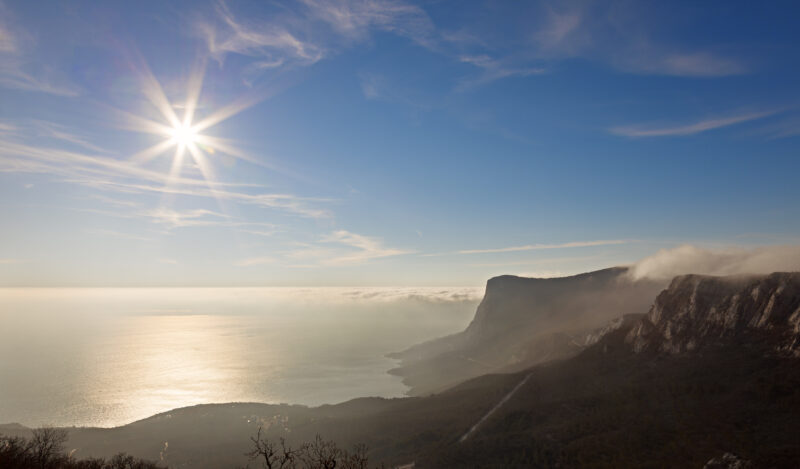
Not every corporate group is after mulled wine and a traditional Christmas market. For every December incentive trip around a festive European city, there’s another equally keen on ditching the cold and grey for some real warmth – sunshine, eating al fresco and being able to sit outside in the evening without needing a coat. Winter sun holidays are getting a lot of traction as a corporate travel category, and it’s not hard to see why: they offer a world away from the bleak northern European winter that most participants are trying to escape, tend to have more relaxed logistics than those alpine or city-based trips, and provide a level of relaxation that really rewards high-performing teams.
The practical side of things looks just as appealing in 2026 too: several good winter-sun options are within three to four hours of most European origin airports, making them a viable choice for short corporate programmes or longer stays. Below is a guide to the best warm-weather spots for European travellers this winter, the things that really matter to corporate and incentive travel planners.
What Winter Sun Actually Means in 2026
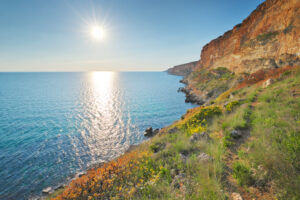
It’s a bit of a misnomer, but the term covers a pretty wide range of weather. At one end, it means a proper subtropical climate with temperatures in the low-to-mid twenties Celsius and loads of sunshine, the Canary Islands nail it year-round. At the other end, it means somewhere that is meaningfully warmer and brighter than northern Europe in December, even if it’s not exactly beach weather, southern Spain and parts of Greece deliver this, with temperatures in the mid-teens that allow for a comfortable outdoor life without the chill of the north.
For corporate planners this is an important distinction because it dictates the sort of programme you can build. A destination that reliably gives you warmth and outdoor life lends itself to a different kind of itinerary (boat trips, eating outside, beach activities) than one where the warmth is relative to home but rain is still a possibility. Figuring out which kind of winter sun the group is actually after is the first and most pressing planning decision.
The Canary Islands: Tenerife and Gran Canaria
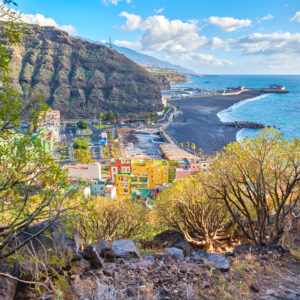
The Canary Islands are the benchmark winter-sun destination for European travellers, and with good reason, it has to be said. In December, Tenerife and Gran Canaria enjoy average temperatures of 20-22 degrees, with six hours or so of sunshine a day and virtually no rain. They’re positioned off the West African coast, far enough south that they’re largely outside the European winter weather system.
For corporate incentive groups, both islands offer top-notch resort infrastructure, loads of quality hotel options and a growing list of exclusive experiences: private yacht charters, wine tastings in the Orotava Valley, private beach venues for group dining and entertainment. Tenerife’s Mount Teide national park provides some top scenery for group activities at altitude, while the south of the island delivers the resort experience most participants expect from a warm-weather incentive trip.
Getting to the Canaries from most Western European airports is pretty straightforward all year round, and they benefit from EU health and travel standards, so logistics are straightforward for groups from Europe.
Madeira
Madeira is a slightly different beast in the winter-sun stakes: temperatures in December average 18-20 degrees, and the island’s rugged terrain and lush interior make it a great choice for groups where scenery and activities are just as important as warmth. The famous levada walks, clifftop viewpoints and wine culture of the island give it a distinct identity from the more resort-focused Canary Islands.
For corporate travel, Madeira’s capital Funchal has seen loads of investment in new hotels and the island’s New Year’s Eve fireworks display is consistently ranked among the world’s best, making it a standout option for groups coming out just after Christmas. Plus it’s a bit quieter than the more popular Tenerife or Gran Canaria, which might actually be a draw for groups who want a more exclusive experience.
Malta and Cyprus
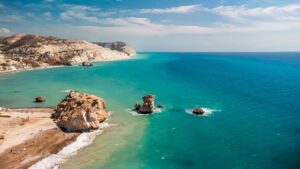
Malta and Cyprus both offer winter temperatures that are well ahead of northern Europe, Malta averages 17-18 degrees in December and Cyprus is closer to 19-20 degrees. Both are English-speaking, both use the Euro, and both have a great hospitality industry built around international business and leisure travel.
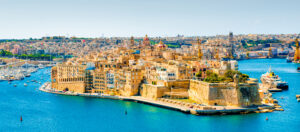
Malta’s compact geography, stunning heritage tourism and top-notch private dining scene make it particularly well-suited to short corporate programmes of two to three nights. Its unique mix of Baroque architecture, Mediterranean food and Grand Harbour views gives it a very distinct atmosphere that sets it apart from generic resort destinations. Cyprus, particularly the Limassol and Paphos areas, offers more traditional resort infrastructure alongside loads of historical interest.
Southern Spain
Málaga and the Costa del Sol, Seville, and Marbella area, that trio of southern Spanish destinations, are the go-to warm-weather option for corporate groups leaving chilly old northern Europe in December. December temperatures in Málaga average a pleasant 15-17°C, you know, just enough to get a taste of the good life without being totally sweltering. For a December departure from London, Amsterdam or Frankfurt, that’s a welcome change from the cold and damp you’d be dealing with back home. People will actually want to sit outside for meals, go on excursions without freezing to death, and you’ll still get to experience all that the city has to offer – its culture, food and nightlife. And let’s not forget Seville – that place is an absolute gem for a winter corporate destination: the cathedral, the Alcázar, the tapas culture, the flamenco, and that magical atmosphere at night make a short visit feel like so much more.
How Winter Sun Makes Sense for Corporate Travel
When it comes to planning a winter-sun destination for an incentive programme or client entertainment trip corporate planners always come back to the same thing: the contrast effect. People who leave a grey December morning in Brussels or Manchester and turn up in Málaga or Seville four hours later – all warmed up and ready for action, they get a huge kick out of it; that sense of reward is what makes a great incentive trip.
Programming a winter-sun incentive is relatively straightforward, too. You know, outdoor activities in the sunshine, sunset meals and group excursions are all pretty low-maintenance to arrange, unlike trying to plan a similar trip in northern Europe in December, where bad weather can bring everything crashing down around your ears.
Our Individual and Group Leisure Services team can put together winter-sun programmes in all the destinations we’ve mentioned, from a short client hospitality trip to a full-on week-long incentive for high-flying teams. Whether the priority is guaranteed warmth, beautiful scenery, a rich cultural experience or just a bit of everything, you can bet that the winter-sun category has got it covered.
According to the World Travel and Tourism Council, those short-haul warm destinations like Málaga and Seville continue to pull in the bookings in the winter months, and corporate and incentive travel is now accounting for an even bigger share of that demand. It’s no surprise – big companies are getting fed up with domestic events and are instead using their December budgets to send their teams off on international incentive trips.
If you’re planning a winter corporate event or incentive trip for December 2026 or early 2027 and want some expert guidance on choosing the right destination, designing your programme, and getting the whole thing sorted out from start to finish, our Destination Management Services team would love to help. Just give ’em a shout to go over the options and see what works best for your team.

