



Discover a World of Rich Traditions and Vibrant Experiences
Asia, the world’s largest and most diverse continent, offers a dazzling array of cultures, each steeped in centuries of history, unique traditions, and vibrant experiences. Cultural immersion tours across Asia provide a gateway into this rich tapestry, offering travellers a chance to step beyond typical tourist paths and experience life as a local, delving deep into authentic customs, practices, and ways of living. Whether wandering through the bustling streets of Bangkok, partaking in a traditional tea ceremony in Kyoto, or staying with a local family in the rural villages of Bhutan, the opportunities for genuine connection are endless. In this blog, we explore the importance of cultural immersion in Asia, supported by trends and numbers that highlight its growing popularity.
The Growing Demand for Cultural Tourism in Asia
Cultural tourism has seen significant growth globally, with Asia at the forefront of this rising trend. According to the United Nations World Tourism Organization (UNWTO), cultural tourism accounts for over 40% of global tourism. In 2019, over 360 million people travelled to Asia-Pacific destinations, with a notable percentage participating in culturally immersive experiences as reported by Statista. This trend ofcourse was affected by the global pandemic but since then annual tourism is on the rise. This trend reflects a desire for more meaningful travel experiences, where visitors engage directly with the people, traditions, and customs of the regions they explore.
With the rise of conscious travel, more people are seeking to learn, understand, and respect the cultures they encounter. In fact, according to a survey by Booking.com, 73% of global travellers say they want their trips to benefit the local communities they visit, further cementing the role of cultural immersion in shaping modern travel.
Unique Cultural Experiences Across Asia
- Japan: Embracing Zen and Tradition
Japan offers an exquisite blend of ancient traditions and cutting-edge modernity. Cultural immersion here can range from staying in a traditional ryokan (inn) and soaking in an onsen (hot spring) to learning the art of calligraphy or partaking in a tea ceremony. The Japanese concept of omotenashi, or selfless hospitality, allows visitors to experience a deep sense of respect and care that permeates Japanese culture.
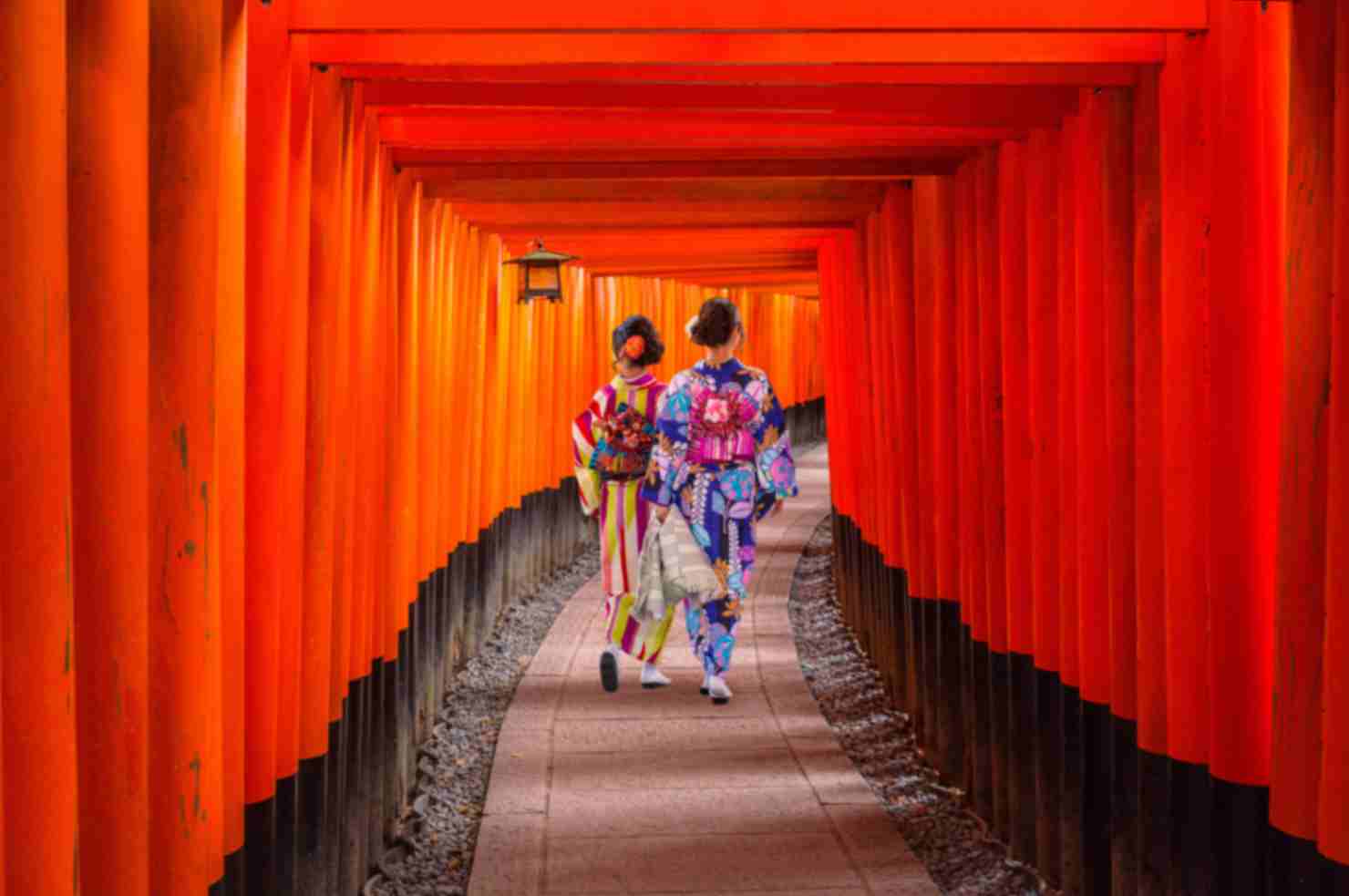
In Kyoto, a city known for its rich heritage, travellers can don kimono for a day, attend a Gion Matsuri festival, or visit centuries-old temples. Japan’s focus on preserving its cultural heritage makes it an ideal destination for those seeking a true immersion into the country’s ethos of balance, serenity, and deep respect for nature.
- Vietnam: Connecting with Ancient and Contemporary
Vietnam’s history, shaped by both dynastic rule and colonial influence, offers a compelling destination for cultural explorers. Whether it’s experiencing the bustling streets of Hanoi or taking a boat ride along the Mekong Delta, the country offers unique ways to dive into its culture. One of the most intimate ways to engage is through food, where a cooking class with a local family can teach you the intricacies of making pho or banh mi.
In rural Vietnam, immersive homestays allow travellers to live with ethnic minority groups like the Hmong or Tay people, learning about their agricultural practices, textile weaving, and communal living. The authentic connection fostered during these stays offers a deeper understanding of the local way of life.

- Bhutan: The Kingdom of Happiness
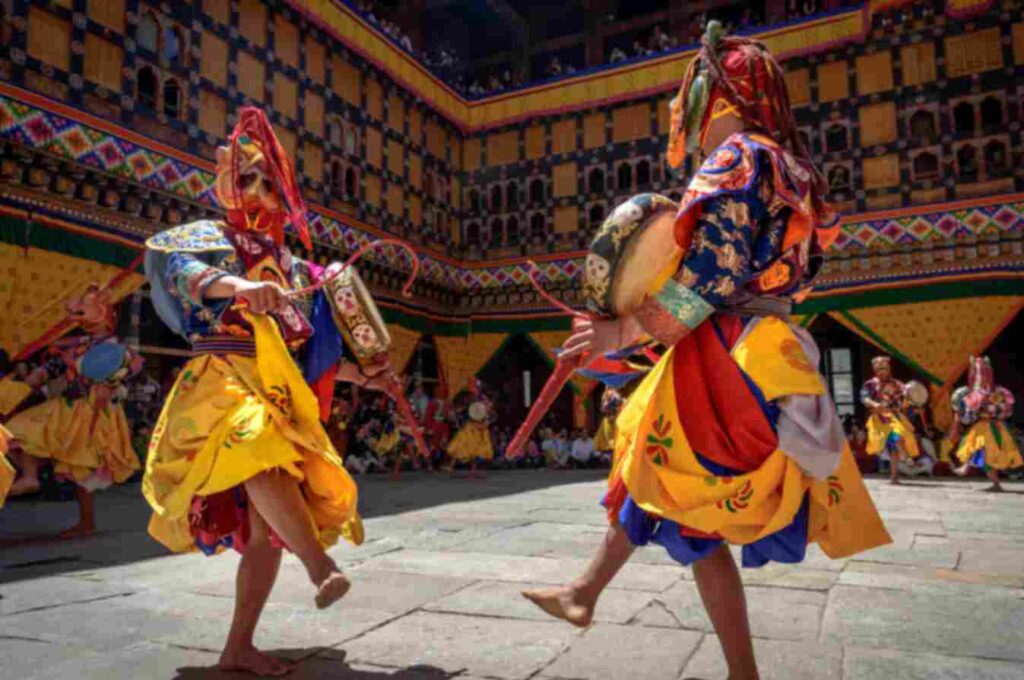
Bhutan, often regarded as one of the most culturally intact countries in the world, remains a hidden gem for cultural tourists. Known for its focus on Gross National Happiness rather than Gross Domestic Product, the country offers a unique approach to modern life, placing an emphasis on wellbeing, culture, and sustainability. Here, travellers can immerse themselves in the spiritual practices of the Bhutanese people, visiting monasteries, participating in traditional festivals, or learning about the country’s commitment to Buddhism.
Many tours offer visitors a chance to stay in local dzongs (fortress monasteries), or with farming families, providing insight into daily rituals and customs. Bhutan’s preservation of its heritage and refusal to commercialise its tourism sector makes it an exemplary destination for those seeking authentic cultural immersion.
- India: A Journey Through Diverse Traditions
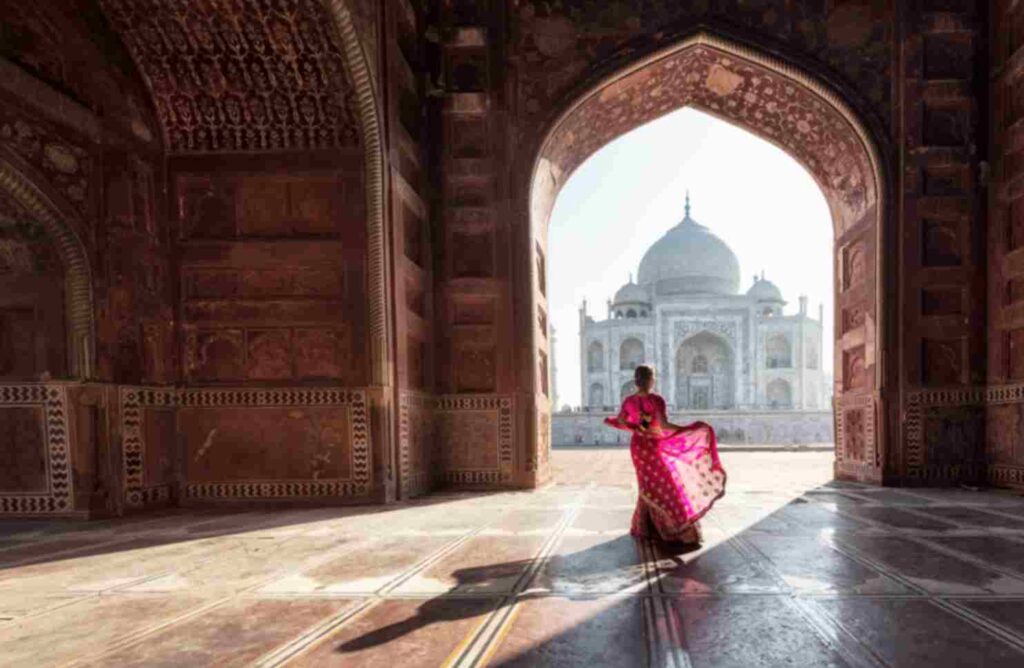
India, a land of contrasts and colour, presents endless opportunities for cultural exploration. With over 2,000 ethnic groups, 22 official languages, and a plethora of religious practices, India’s cultural diversity is unmatched. Travellers can experience the vibrant festivals like Diwali and Holi, which offer a glimpse into the spiritual heart of the country, or take part in a yoga retreat in the Himalayan foothills to learn about ancient wellness practices.
In rural Rajasthan, a stay in a traditional haveli (mansion) can offer insights into the lives of Rajput families, while guided tours of the temples in Varanasi allow visitors to witness the centuries-old rituals of the Hindu faith. In Kerala, visitors can engage with local fishermen, learn traditional dance forms like Kathakali, or partake in a backwater tour to understand the unique aquatic way of life.
Supporting Sustainable and Responsible Travel
Cultural immersion tours also promote sustainable and responsible travel. By engaging directly with local communities, travellers help support regional economies and preserve cultural traditions that might otherwise fade. Responsible tour operators, such as Uniqueworld Global, ensure that cultural tourism is conducted ethically, respecting the rights and dignity of local populations while providing economic benefits through direct engagement with artisans, guides, and local businesses.
Additionally, studies show that culturally immersive experiences contribute to the preservation of intangible cultural heritage. According to UNESCO, tourism that involves cultural exchange helps in the safeguarding of traditions, from performing arts to craftsmanship, ensuring these practices are passed down to future generations.
The Benefits of Cultural Immersion for Travellers
Beyond the economic and cultural impact, cultural immersion tours offer travellers personal growth and a broader understanding of the world. A 2022 study conducted by the Global Travel Association found that 81% of travellers feel more connected to a destination after engaging in cultural experiences. These immersive journeys foster empathy, as they allow individuals to see the world from new perspectives, breaking down cultural barriers and encouraging a more inclusive view of humanity.
Final Thoughts: Choosing Your Next Cultural Journey in Asia
As the demand for meaningful travel continues to grow, Asia stands as a treasure trove of opportunities for those seeking deeper connections with the cultures they encounter. Whether it’s the meticulous art of Japanese tea-making, the spiritual serenity of Bhutanese monasteries, or the vibrant chaos of Indian festivals, each cultural experience brings a new layer of understanding and respect.
At Uniqueworld Global, we specialise in creating bespoke cultural immersion tours across Asia, designed to offer an authentic and enriching travel experience. By supporting local communities and promoting sustainable tourism, we ensure that your journey leaves a positive impact—on both you and the places you visit.
Embrace the spirit of cultural discovery and start planning your next adventure with us. After all, the heart of travel lies in understanding and appreciating the cultures that make our world so richly diverse.

