


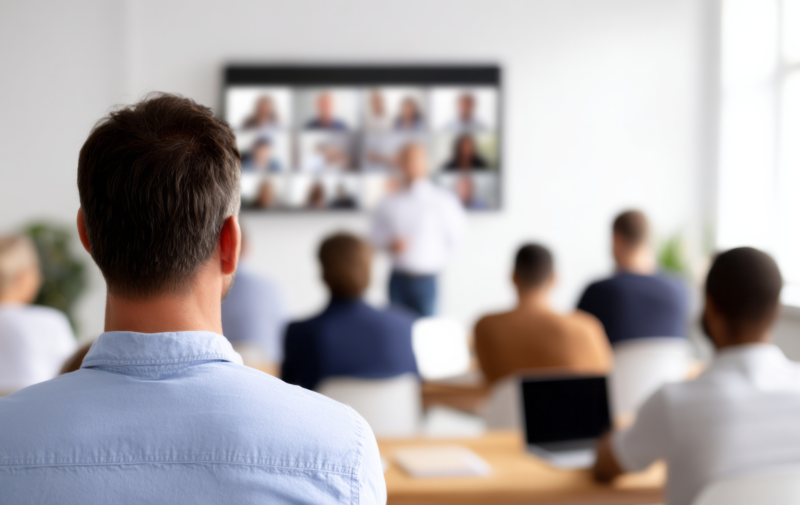
In 2026 Hybrid events are no longer just a digital afterthought or a “contingency plan” but a full on, strategic approach to corporate get-togethers, conferences and incentive programs. As companies expand globally and audiences get more spread out, Hybrid formats are giving organisations a powerful way to make events more accessible, reach more people and deliver really personal experiences that scale.
The industry’s investment patterns show this shift in full swing. Recent data shows that 74% of companies are planning to up their investment in event tech , while over 60% of delegates are now expecting to get personalised programming that adapts to their interests and schedule. This combination of technological advancements and delegate expectations is totally flipping how Destination Management Companies (DMCs) design and deliver events.
For a global player like Uniqueworld, Hybrid-first planning isn’t just about connecting virtual and in-person crowds. It’s about creating blended experiences that feel like one cohesive thing, regardless of whether people are joining in from the other side of the world. As Hybrid corporate events continue to evolve, DMCs are stepping up to be the key players in orchestrating seamless integration, consistent content delivery and interactive tools that elevate both the live and remote experience.
Understanding the Hybrid-First Landscape
Hybrid events combine physical and digital participation, so that people can engage from anywhere in the world. For those who may not know about this concept, the definition of a virtual event over on Wikipedia gives a good explanation of how digital bits have evolved into really sophisticated, interactive platforms.
The thing that’s changed in 2026 though isn’t the format itself, it’s the strategic intent behind it. Hybrid events are now designed from the get-go to serve two equally important audiences – the people in the room and the ones online. This shift requires a new level of planning precision, technical integration and content choreography – all areas where DMCs are becoming more and more indispensable.
Why Hybrid Corporate Events are Dominating in 2026
The rise of Hybrid corporate events in 2026 is driven by a few things all coming together. First off, global workforces are more geographically spread out than ever before. With remote and hybrid work models making it impractical to get all participants in one place, Hybrid formats are allowing companies to stay connected and aligned without sacrificing accessibility.
Second, event tech has come a long way. Digital event platforms now offer things like AI-powered matchmaking, real-time polling, interactive Q&A, virtual networking lounges and personalised content recommendations. These tools create levels of engagement that are on par with – or even better than – in-person experiences.
Third, delegate expectations have shifted. People want flexibility, autonomy and programming that adapts to their preferences. Hybrid formats make it possible to deliver personalised content journeys, so attendees can pick the sessions, formats and interaction levels that suit them best.
Finally, Hybrid events offer a pretty compelling business case. They extend reach, reduce travel costs, improve accessibility and generate richer data for post-event analysis. For companies that are all about ROI, Hybrid formats offer a solid measurable advantage.
The Role of DMCs in Hybrid-First Event Planning
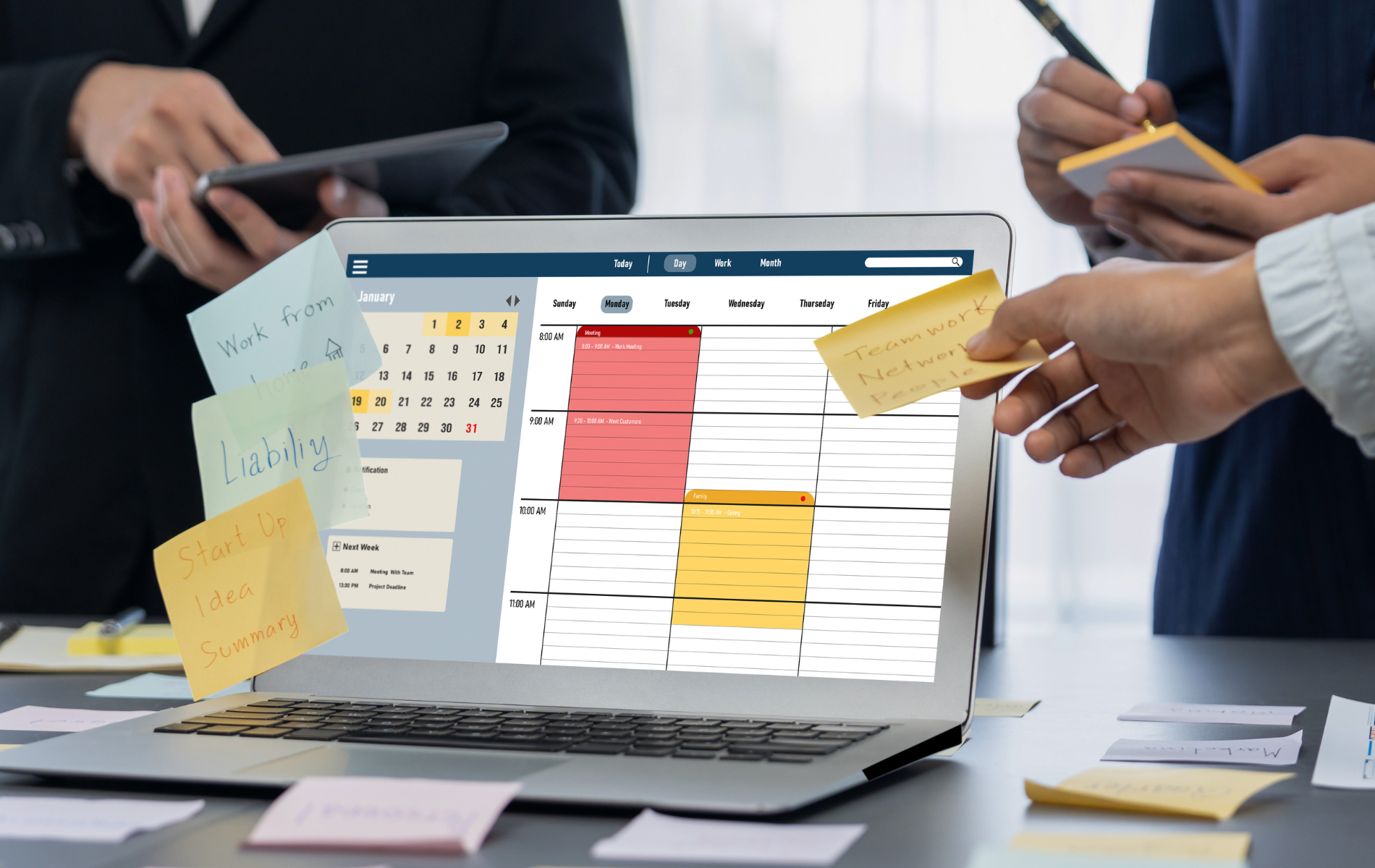
As Hybrid events get more complex, the role of the DMC has expanded. They are no longer just destination logistics, but are now strategic partners in virtual and in-person event integration, making sure that both audiences get a seamless, high-quality experience.
For Uniqueworld, that means combining our global expertise with local insight and technical know-how. Hybrid events require an understanding of venue capabilities, digital platforms, content flow and participant engagement – and DMCs are uniquely positioned to bring all these elements together.
One of the most important jobs is ensuring consistency. Content has to be delivered in a way that feels unified, regardless of how participants are joining in. That includes synchronising live sessions with virtual broadcasts, co-ordinating speaker transitions, managing time zones and making sure remote attendees have equal access to Q&A, networking and interactive features.
DMCs also play a critical role in designing the participant journey. For in-person attendees, this includes venue flow, hospitality, transportation and on-site support. For remote attendees, it’s about platform navigation, digital touchpoints and personalised content recommendations. The goal is to create a cohesive experience where every participant feels included and valued.
Venues Leading the Hybrid Revolution
The success of Hybrid events relies heavily on venue infrastructure. In the UK, ExCeL London is a leader in Hybrid-ready event environments. With advanced broadcast studios, integrated digital production capabilities and high-capacity connectivity, ExCeL London makes seamless streaming, multi-camera setups and interactive digital participation all possible.
Venues like ExCeL show how physical spaces are evolving to support Hybrid-first planning. They offer flexible stage designs, dedicated control rooms and tech partnerships that allow DMCs to deliver polished, professional Hybrid experiences. For planners, that means having greater confidence in the tech execution and more creative freedom in designing blended formats.
Creating a Consistent Content Delivery Across Audiences
One of the biggest headaches for conference planners is getting content to feel just as exciting for both in-the-room and remote attendees. This takes some careful thinking about pacing, presentation style, and how the whole thing comes together.
In-person folks get a kick from the room’s energy, the immediacy of live speakers, and the social buzz that comes with catching up with others. Remote attendees, on the other hand, need clear, sharp video, good audio, and some way to get involved without feeling like a spectator.
DMCs are able to help bridge that gap by coordinating with production teams, advising on stage design, and making sure speakers are geared up to connect with both sets of attendees. They also help structure the agenda so it’s got the mix of live and digital-friendly elements: like a moderated discussion, some interactive polls, or a hybrid networking session that lets everyone get involved.
We’re not trying to replicate the in-person experience online – that’s just not feasible. What we’re aiming for is a parallel experience that feels just as valuable.
Making a Bigger Splash with Digital Event Platforms
Digital event platforms have become the go-to tool for delivering hybrid events. They let events reach a bigger audience, tailor the content, and get some real data on what’s working and what’s not.
By 2026, it’s the companies that are really pushing this space that are going to be the ones offering things like AI-driven content suggestions, customised agendas, virtual stalls where exhibitors can be found, and integrated networking tools. They’ll also be doing things like captioning, multi-language translation, and making sure the whole experience is accessible for people with disabilities.
For DMCs, having a good handle on digital platforms is now a core part of the job. At Uniqueworld, we work with clients to pick the right platform, get the features up and running smoothly, and make sure the digital experience matches what they want to get out of the event – all the way from getting people set up before the event to giving them support during and helping them get the data they need after.
Getting Remote Attendees Engaged
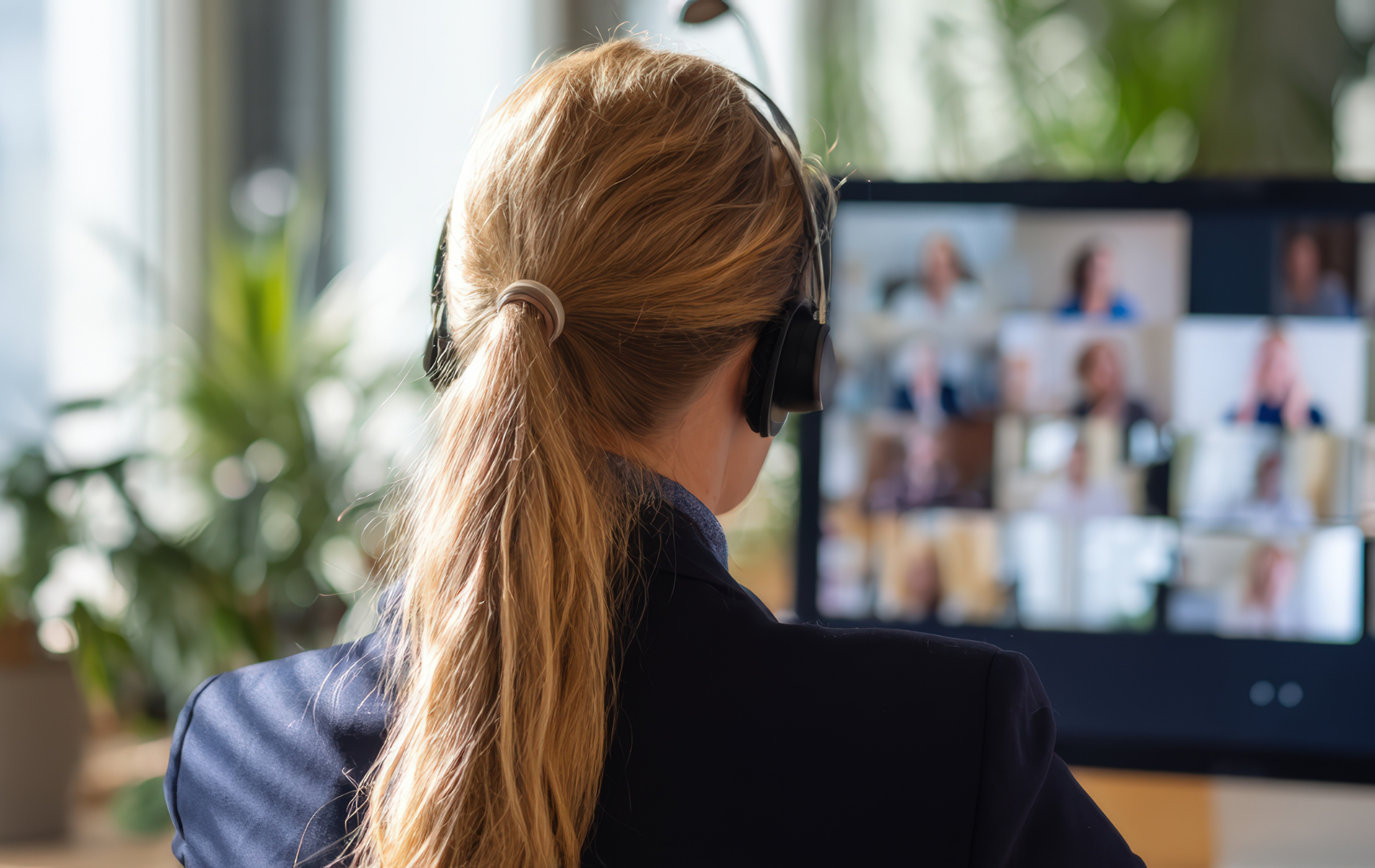
Remote attendees are no longer just passive viewers – they want to get involved, connect with other people and influence the conversation. DMCs help create this engagement by using tools like live chat, virtual breakouts, and interactive Q&A sessions.
We also design moments that bring the remote and in-person crowds together – things like hybrid workshops, where people online get to work with the team in the room, or virtual networking sessions that get people matched up with others who are interested in the same thing.
These interactions not only get people more engaged, but make the whole thing feel more like a community that’s connected across different locations.
Measuring the Success of a Hybrid Event
Hybrid events give you a unique chance to get some real data on how well an event is doing. Digital platforms give you the numbers on attendance, engagement, how popular each session was, and what people are doing when they are there. This makes it easier to measure the impact and refine things for next time.
For DMCs, this data is gold dust – it helps us design better content, pick the right platform, and work out how to get people more engaged. It also helps us make the case for hybrid events when companies are deciding whether or not to shell out for the technology.
The Future of Hybrid-First Planning
As hybrid events keep evolving, we’re going to see a few big trends shaping the future of the format. One of the biggest will be AI-powered personalisation – being able to tailor the content to individual interests and preferences. Venues will keep investing in their broadcast-ready infrastructure, and digital platforms will get more immersive with things like virtual reality, spatial audio, and networking tools that really let people connect.
Most importantly, hybrid events are going to get a lot more inclusive. They’ll let more people take part, reduce the travel barrier and create opportunities for people to get involved that don’t depend on where you are in the world.
Final Thoughts
Hybrid-first event planning is changing the game for accessibility, engagement and reach in 2026 – and for companies that want to connect with a global audience, this is the way to go. And for DMCs like Uniqueworld, this is our chance to lead the way – by delivering seamless integration, consistent content delivery, and a hybrid experience that feels worthwhile for everyone involved.
Hybrid events are no longer a compromise – they’re the future of corporate meetings, and companies that get on board will be the ones that stay ahead of the game in a world that’s changing fast.

